
Maya — Birthing Simulator
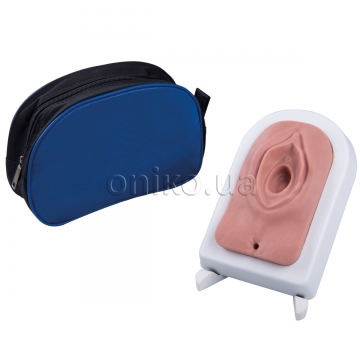
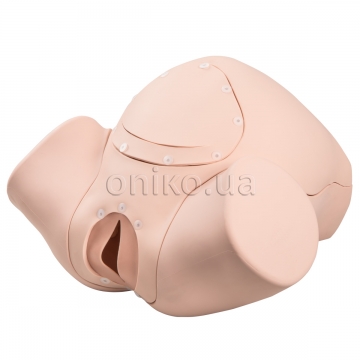
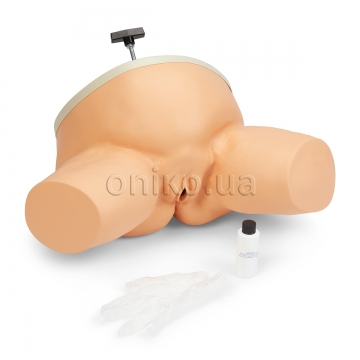
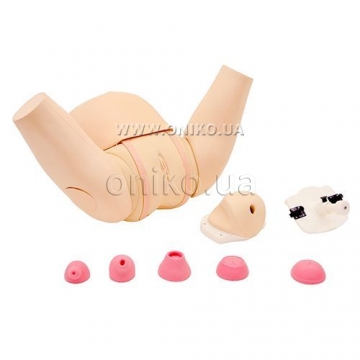
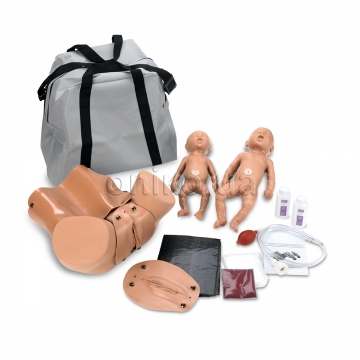
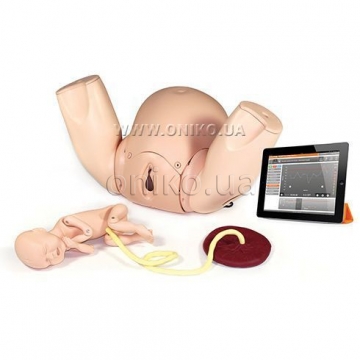
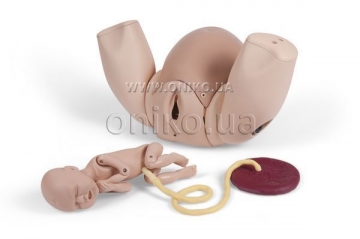
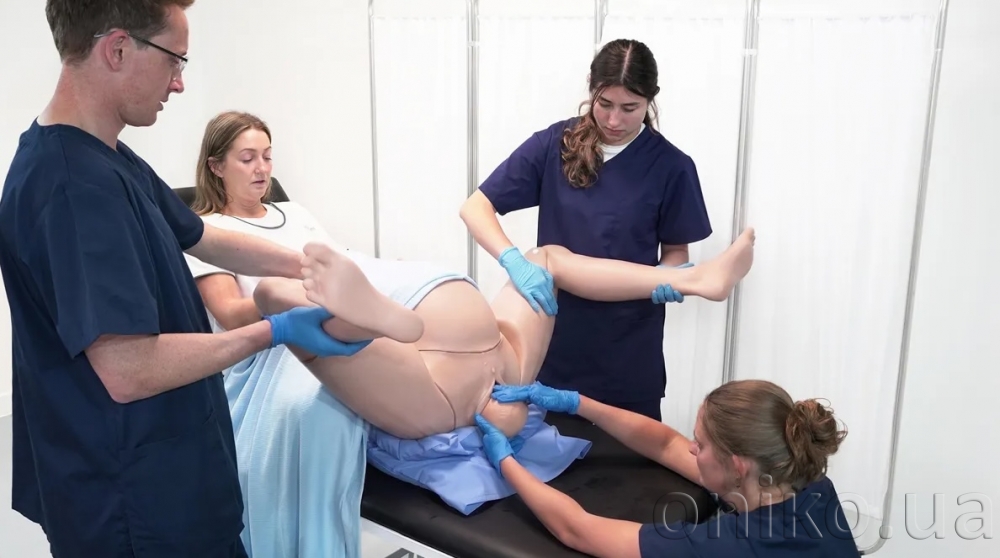
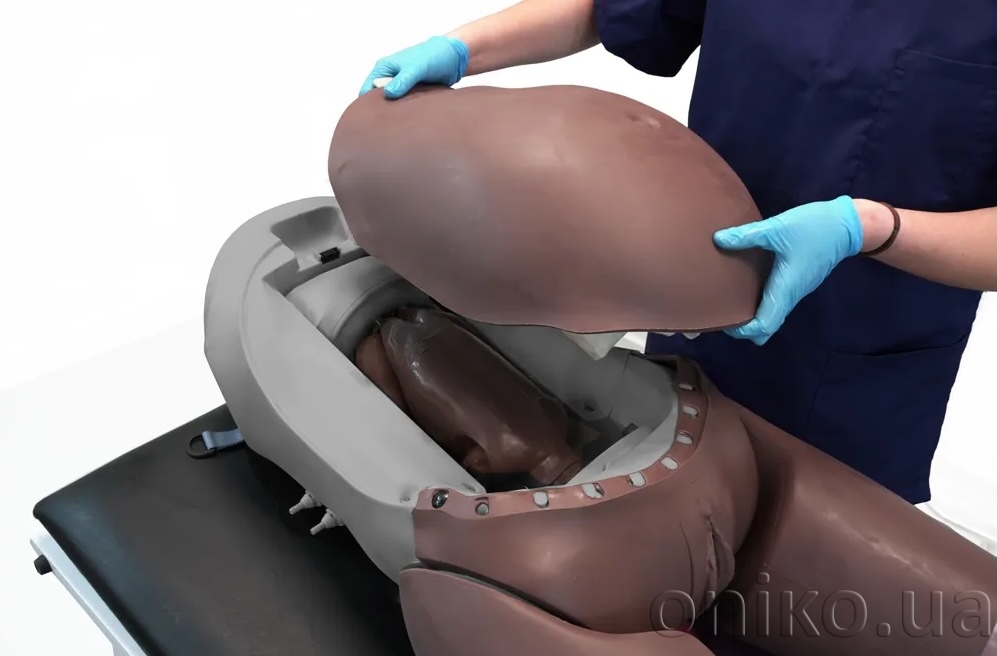
The Maya automated birthing simulator is designed to teach the fundamentals of labour management, childbirth and postpartum care. Combining the simplicity and portability of a task trainer with the realism and scenario-based learning capabilities of a full-body simulator, Maya enables educators to deliver high-quality obstetric training without the complexity associated with traditional simulation systems.
The simulator is controlled through an intuitive application that allows educators and learners to configure and launch realistic birthing scenarios within minutes. The automated birth process provides consistent training conditions for every participant, while rapid reset times increase the number of hands-on practice opportunities and support more efficient skills acquisition.
Maya is a flexible and accessible solution for obstetric simulation training and can be used for undergraduate education, competency assessment, self-directed learning and multidisciplinary team training.
Skills
· Vaginal breech birth
· Shoulder dystocia management
· Assisted vaginal birth
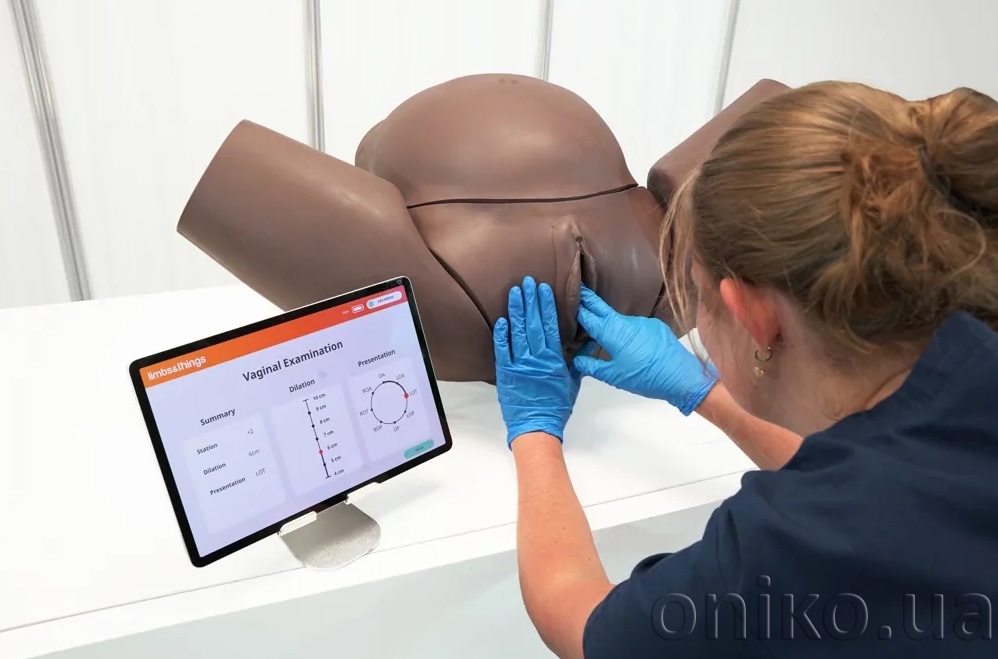
· Vaginal examination
· Labour progression assessment
· Third stage management
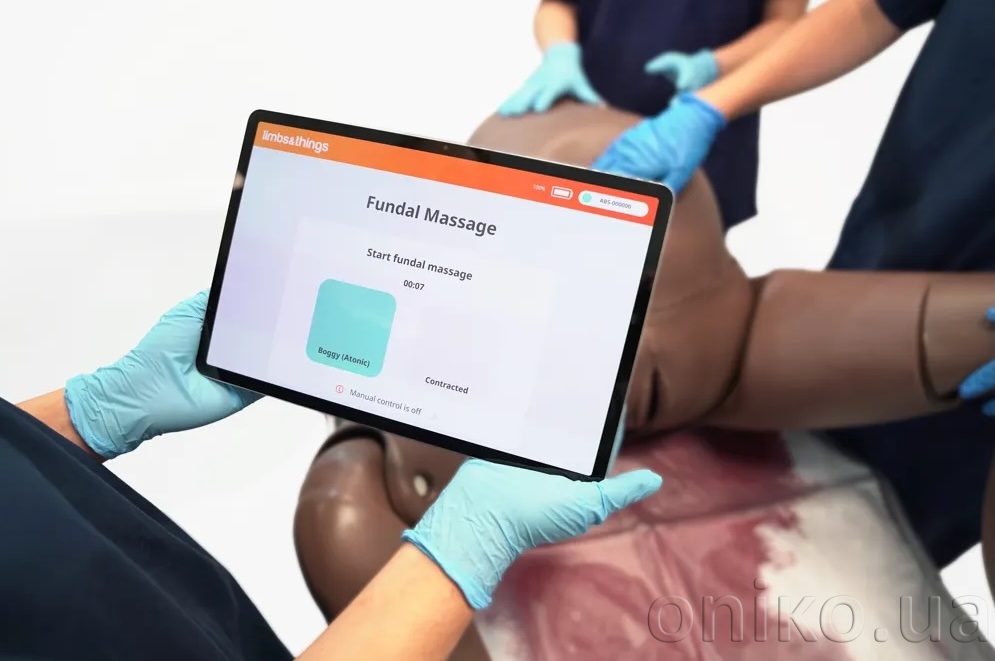
· Fundal massage
· Retained placenta management
· Quantitative blood loss measurement
· Postpartum haemorrhage management
· Urinary catheterisation
· Intramuscular injection
· Communication skills
· Teamworking and escalation
Features
Normal and Emergency Obstetric Scenarios
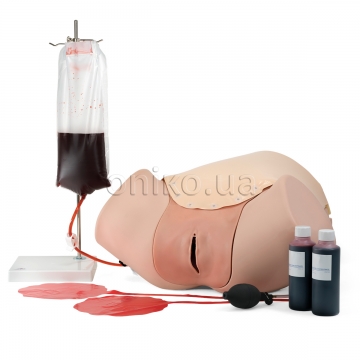
Quantitative Blood Loss Assessment
Its functionality supports the training and assessment of practical skills in the objective quantitative measurement of blood loss, as well as the rehearsal of clinical algorithms for the recognition and management of postpartum haemorrhage.